A 19-year-old triple murder case involving a young mother and her newborn twins was finally solved in January 2025 by Kerala Police with the help of artificial intelligence. The crime, which took place in 2006 in Anchal, Kollam district, remained unsolved for nearly two decades until investigators used AI-based image enhancement and social media analysis to track down the accused. The victims, Ranjini and her 17-day-old twin daughters, were murdered inside their home by two men—her former partner Divil Kumar and his associate Rajesh—who had been living under false identities. The breakthrough came when a wedding photograph uploaded on Facebook matched one of the suspects through AI facial comparison, leading to their arrest in Puducherry.
Ranjini had been in a relationship with Divil Kumar, who distanced himself after she became pregnant. Refusing to accept abandonment, she pursued legal action and obtained an order from the State Women’s Commission demanding a DNA test. This legal pressure became the primary motive behind the crime, as Divil feared exposure and accountability.To execute his plan, he involved his army colleague Rajesh. In a calculated move, Rajesh approached Ranjini under the false identity of “Anil Kumar,” presenting himself as a supporter. Over time, he gained the trust of both Ranjini and her family, creating an opportunity to carry out the crime.
Timeline of the Kerala Triple Murder Case
*February 2006 – Day of the Murder –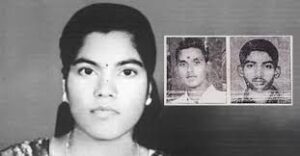
In February 2006, Rajesh convinced Ranjini’s mother to visit the local panchayat office for official work. During her absence, him and Divil murdered Ranjini and her two newborn daughters inside their home. The act was deliberate and timed to avoid witnesses, allowing both perpetrators to flee immediately afterward.The registration number of a two-wheeler recovered from the crime scene led investigators to a military camp in Pathankot, but by the time they arrived, the accused had already escaped.
*2006–2023 – Case Goes Cold-
Despite early leads, the suspects remain untraceable.The case remains unsolved for nearly 19 years as both men disappear and assume new identities.
*2023 – 2024 Reopens the Case with AI
Nearly 19 years later, Kerala Police revisited the case using advanced technological tools. The technical intelligence wing of Kerala police, applied artificial intelligence to enhance old photographs of the suspects, generating predictions of their current appearance. These AI-generated images were then systematically compared across social media platforms. This marked a shift from traditional investigation methods to digital tracking and data-based identification. The turning point came when investigators found a wedding photograph posted on Facebook. One individual in the image showed a 90% facial match with Rajesh based on AI analysis. This lead enabled authorities to trace his location to Puducherry.
*January 4, 2025 – Arrest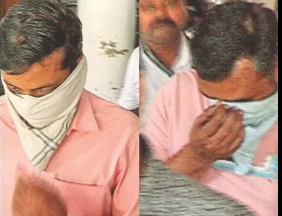
Further investigation led to the identification of Divil Kumar as well. Both men had been living under new identities and working as interior designers. On January 4, 2025, they were arrested, bringing an end to the long-standing case.
The successful resolution demonstrates how artificial intelligence can assist in reopening and solving cold cases by bridging gaps left by time. It also underscores the importance of persistence in law enforcement, showing that even long-dormant cases can reach closure when combined with evolving investigative techniques.
About The Author
