Food is an essential part of students’ daily lives, especially for those living in hostels away from home. In many educational institutions across India, hostel mess food has become a topic of discussion due to concerns related to hygiene, nutrition, taste, and overall quality. The condition of hostel food also reflects larger issues connected to food quality standards and management practices in India.
Many students complain about poorly cooked meals, lack of cleanliness in kitchens, repetitive menus, and unhealthy food ingredients in hostel mess facilities. In some cases, reports of food poisoning and unhygienic cooking conditions have raised serious concerns among parents and authorities. Since thousands of students depend on hostel meals every day, maintaining proper food quality is extremely important for their health and academic performance.
The issue is not limited to hostel messes alone. It also highlights broader challenges related to food safety and quality control in India. Poor storage systems, low-quality raw materials, lack of inspections, and negligence in hygiene standards are problems that affect not only hostel kitchens but also restaurants, street food vendors, and public food services in many areas.
Government organizations such as the Food Safety and Standards Author
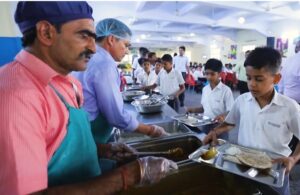
ity of India (FSSAI) have introduced food safety rules and hygiene regulations to improve food quality across the country. However, proper implementation and regular monitoring remain major challenges. Many experts believe that educational institutions should conduct regular food inspections, maintain cleanliness, and involve students in feedback systems to improve hostel mess services.
Nutrition is another important concern. Students require balanced meals containing proteins, vitamins, carbohydrates, and minerals to maintain physical and mental health. Poor-quality food can affect concentration, immunity, and overall well-being. Therefore, hostel management must focus not only on affordability but also on nutritional value and hygiene.
At the same time, students should also develop awareness regarding healthy eating habits and food safety. Open communication between students and hostel authorities can help identify problems and improve dining conditions. Some institutions in India have already started introducing digital complaint systems, better kitchen management, and improved menus to address student concerns.
In conclusion, the quality of hostel mess food is closely connected to India’s larger food safety and quality standards. Ensuring hygienic, nutritious, and safe food in hostels is necessary for students’ health and development. Better regulation, responsible management, and awareness can help improve food quality both inside hostels and across the country.
About The Author
