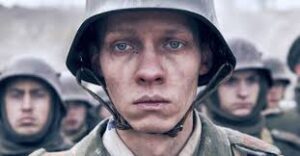
 War movies are often remembered for their loud explosions, gunfire, and intense battle scenes. However, one of the most powerful elements used in war cinema is silence. Filmmakers frequently use silence to create emotion, tension, fear, and realism. In many war films, silence speaks louder than words and helps audiences understand the psychological and emotional impact of conflict.
Silence in war movies is often used to show the horror and trauma experienced by soldiers and civilians. After scenes of violence or destruction, moments of silence allow viewers to feel the emotional weight of loss, grief, and fear. Instead of dramatic dialogue, filmmakers use quiet moments to express pain and human suffering more deeply. These scenes help audiences connect emotionally with characters and understand the mental effects of war.
Another important role of silence is building suspense and tension. Before a battle begins or during dangerous missions, silent scenes can create anxiety and anticipation. The absence of sound forces viewers to focus closely on facial expressions, movements, and surroundings, making the scene more intense and realistic. In many famous war films, silence is used just before explosions or attacks to increase emotional impact.
Silence also reflects isolation and loneliness. Soldiers in war often face emotional struggles, fear, and separation from their families and normal lives. Quiet scenes in trenches, abandoned places, or battlefields help portray feelings of emptiness and uncertainty. These moments remind audiences that war is not only about physical fighting but also about emotional and psychological suffering.
In addition, silence can symbolize respect and remembrance. Many war movies include silent moments to honor fallen soldiers and innocent victims. Such scenes encourage reflection and allow audiences to think about the human cost of war rather than focusing only on action and patriotism.
Filmmakers use silence as a cinematic technique to create realism. Real-life war situations are not always filled with continuous sound; there are moments of waiting, fear, and emotional numbness. Silence helps present these realities honestly and makes war films more meaningful and human-centered.
About The Author
