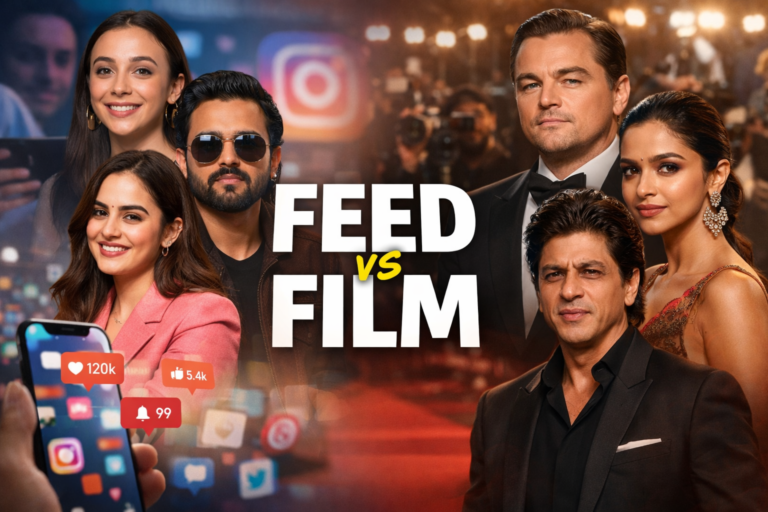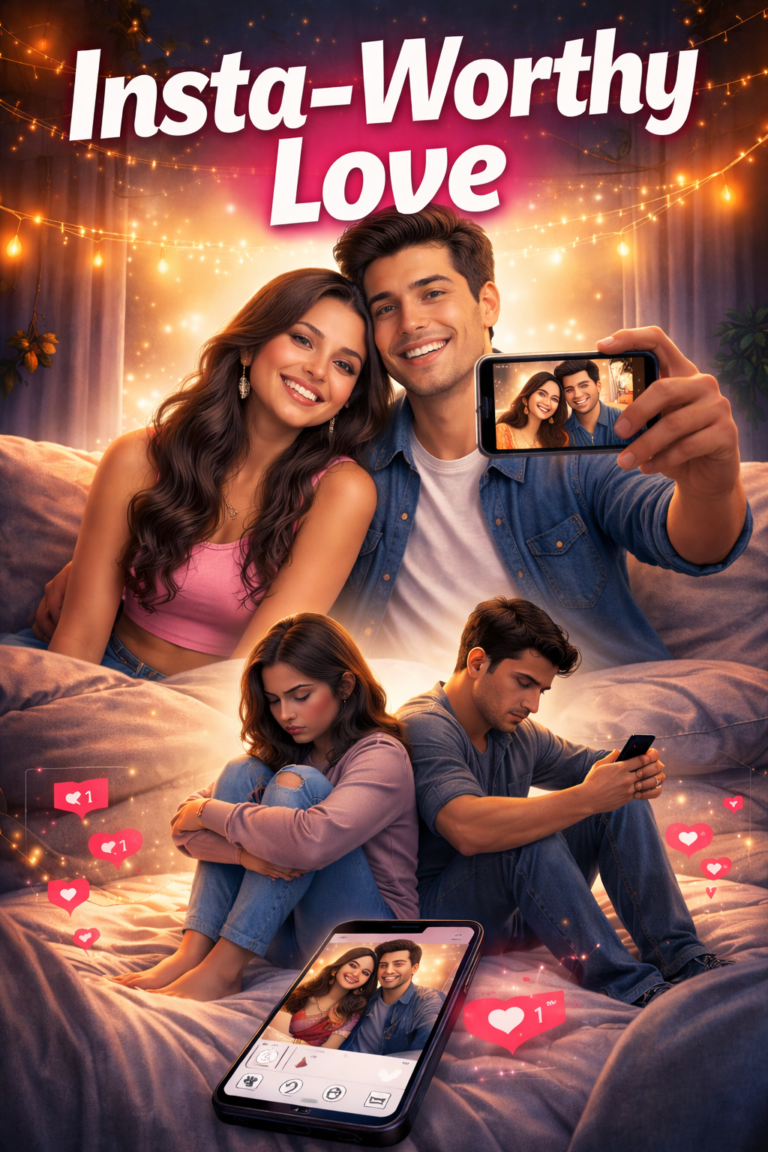






Love today is no longer just felt—it is filtered, framed, and posted. From dreamy proposals to “couple goals” reels, Instagram has turned relationships into a performance. What looks like romance often sets unreal standards, quietly shaping how people think love should be.

At first glance, it feels harmless—even aspirational. Couples posting surprise gifts, luxury dates, constant affection, and dramatic gestures create a version of love that looks effortless. But what’s missing is everything real—arguments, boredom, emotional distance, and growth. Over time, this creates a dangerous illusion: that love must always be intense, exciting, and publicly visible. Anything less starts to feel like failure. This is where unrealistic romance turns toxic.
The idea that your partner should always plan surprises, always reply instantly, and constantly prove their love sounds sweet online—but in reality, it’s exhausting. Phrases like “if they wanted to, they would” simplify complex human behavior into unrealistic expectations. Love becomes less about understanding and more about constant validation.
Certain online trends are making this worse. The rise of the “trad wife” aesthetic promotes a highly curated version of traditional relationships—where women are expected to be soft, submissive, and centered entirely around their partner.
On the other side, content inspired by creators like ”The Wizard Liz” pushes strong self-worth and independence, which create rigid expectations. Relationships are then judged through strict rules like “never tolerate less” or “cut people off easily,” leaving little room for communication, compromise, or emotional nuance.
Then comes the influence of voices like ”Andrew Tate”, where ideas around dominance, control, and rigid gender roles are often presented as relationship “truths.” This content can normalize possessiveness, emotional detachment, and power imbalance, making toxic traits appear attractive or “alpha.”
Together, these extremes create confusion. On one side, unrealistic softness and dependency; on the other, hyper-independence and control. In between, real relationships—which require balance, patience, and effort—start to feel inadequate. Teenagers who are exposed to this kind of content are often the real victims.
In the end, Instagram doesn’t just show relationships—it reshapes how we define them. But the truth remains simple: real love is not aesthetic, not algorithm-friendly, and not always exciting.
So the next time you scroll past a “perfect” relationship, ask yourself—are you learning about love, or just consuming a version of it designed to look good online?
About The Author