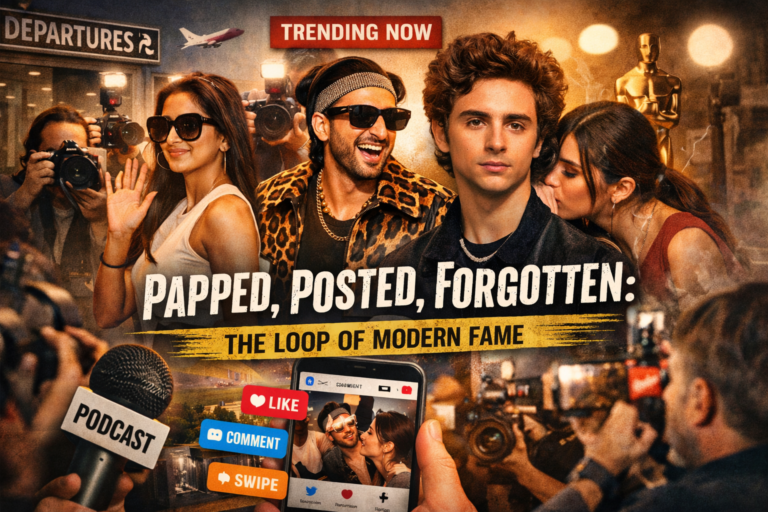






The rise of “Reality TV Universes” in India has transformed from mere television entertainment into a high-stakes psychological game. For Gen Z, shows like MTV Splitsvilla X6, Bigboss ,MTV Roadies are no longer just hour-long episodes; they are 24/7 digital ecosystems where emotions are gamified and TRPs are harvested through a relentless cycle of memes, trolls, and manufactured drama.
The most striking example of this is the “Tara Universe.” What began as a romantic nickname—”Tara”—shared between Yogesh Rawat (Yogi-Tara) and Akanksha Choudhary (Akku-Tara) quickly ballooned into a massive digital brand, when the “universe” took a dark turn when Yogesh’s ex, Ruru Thakur (Ruru-Tara), entered the villa. Suddenly, “Akku-Tara” shippers were pitted against “Ruru-Tara” supporters in a digital civil war. This wasn’t just a breakup; it was a content goldmine. The transition from “loyalty” to “betrayal” was perfectly timed for the cameras, leading many to question if the entire emotional arc was a pre-planned script designed to farm Gen Z engagement.
Reality TV producers have mastered ”Emotional Gamification”, by creating these “universes,” they turn contestants into characters and viewers into “fandom soldiers” through :
The Meme Machinery: Every tear, scream, and “savage” comeback is instantly converted into a meme. These memes act as free marketing, keeping the show trending on X and Instagram.
The Troll Culture: Trolling has become the “digital jury” of reality TV. When a contestant like Yogesh is accused of being “two-faced,” the resulting hate-comments and “expose” videos drive massive traffic. For the channel, “hate-watching” is just as valuable as “love-watching”—it all counts toward the TRP.
The Parasocial Trap: Gen Z often finds a sense of belonging in these fandoms. When “Akku-Tara” fails, fans feel a personal sense of grief. This deep emotional connection is exactly what keeps them glued to the next episode, desperately seeking “justice” for their favorite contestant.
While this makes for addictive TV, the real-world impact is significant. The “Tara Universe” drama normalizes toxic relationship patterns—like public shaming, gaslighting, and “clout-chasing”—as standard behavior. When youth see contestants gaining millions of followers by performing “drama,” it reinforces the idea that conflict is a currency.
In the end, the “Tara Universe” isn’t really about stars or soulmates. It’s a masterclass in how to capture the attention of a generation that lives for the “vibe” and stays for the “tea.” As long as Indian youth continue to vote with their views and memes, the reality TV machine will keep building these emotional traps, one “universe” at a time.
The question for the Indian youth is: are we watching the drama, or is the drama rewriting our own reality?
About The Author