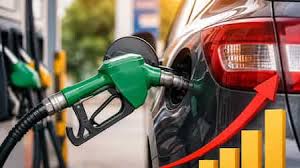
The continuous rise in the prices of Petrol and Diesel has once again become a major concern for citizens across India. From daily commuters to transport businesses, everyone is feeling the impact of increasing fuel costs. The price hike is also indirectly contributing to inflation, making essential goods and services more expensive.
In recent remarks, Prime Minister Narendra Modi emphasized the importance of responsible fuel consumption and encouraged citizens to reduce unnecessary travel. He also highlighted that adopting flexible working models like Work From Home (WFH), wherever possible, can help reduce fuel usage and ease pressure on transportation systems.
The idea behind promoting WFH is not only economic but also environmental. Reduced daily commuting can help lower traffic congestion in urban areas, decrease fuel consumption, and contribute to reducing air pollution. During the COVID-19 pandemic, the Work From Home model proved that many sectors, especially IT, media, education, and corporate services, can function effectively without physical office presence.
However, it is also important to understand that WFH is not suitable for all sectors. Industries such as healthcare, manufacturing, retail, public services, and transportation require on-site presence. Therefore, experts suggest that a hybrid model—combining office work and remote work—may be the most practical solution for India.
Along with this, improving public transport, promoting fuel-efficient vehicles, and encouraging carpooling are also being seen as important steps to manage rising fuel demand. Government and citizens both have a role to play in balancing economic needs with environmental sustainability.
In conclusion, the combination of responsible fuel usage, flexible work culture, and better transport planning can help India tackle the challenges of rising fuel prices while also moving towards a more sustainable future.
About The Author
